Living in the Philippines as a Foreigner: What to Expect
Moving to the Philippines sounds like a dream for many Americans. Tropical beaches, friendly locals, low living costs, English-speaking communities, and a slower pace of life attract thousands of foreigners every year. But living in the Philippines as a foreigner is not always the paradise social media makes it look like.
Some expats fall in love with the lifestyle and stay permanently. Others struggle with bureaucracy, infrastructure, culture shock, or unrealistic expectations. Before relocating, it’s important to understand both the advantages and the disadvantages of living in the Philippines.
Whether you are planning retirement, remote work, marriage, or a fresh start abroad, this guide explains what life in the Philippines is really like in 2026.
Why So Many Americans Move to the Philippines
The Philippines has become one of the most popular destinations in Asia for American expats. One major reason is familiarity. Unlike many Asian countries, English is widely spoken throughout the Philippines, making daily life much easier for foreigners.
The country also has deep historical and cultural ties with the United States. American influence can be seen in education, entertainment, food culture, politics, and even basketball courts in local neighborhoods.
Foreigners are often surprised by how welcoming Filipinos are. Hospitality is deeply rooted in Filipino culture, and many expats say it is easier to build friendships here than in other parts of Asia.
Other common reasons Americans move include:
- Lower cost of living
- Warm tropical climate
- Affordable domestic help
- Retirement opportunities
- Beach lifestyle
- Easier dating scene
- Remote work flexibility
- Family connections through marriage
For many people, moving to the Philippines from America feels less intimidating than relocating to countries where language and cultural barriers are stronger.
How Much Money Do You Need to Move to the Philippines?
One of the biggest reasons people consider relocating is affordability.
The answer depends heavily on your lifestyle and location.
A single foreigner living modestly outside major cities can survive on around $800–$1,200 per month. In more developed areas like Manila or Cebu, most foreigners prefer budgets closer to $1,500–$3,000 monthly for comfort.
Typical monthly costs may include:
| Expense | Average Monthly Cost |
| Apartment rental | $300–$1,200 |
| Utilities & internet | $80–$200 |
| Food | $250–$600 |
| Transportation | $50–$200 |
| Healthcare | $50–$300 |
| Entertainment | $100–$500 |
Many YouTubers claim they live comfortably on $1,000 per month in the Philippines. While technically possible, the reality depends on expectations. A simple local lifestyle is very different from maintaining Western standards of comfort.
If you want modern housing, strong air conditioning, imported food, reliable internet, private healthcare, and frequent travel, your expenses can increase quickly.
Is $1,000 a Month Enough to Live in the Philippines?
Yes — but with limitations.
In smaller cities or provincial areas, $1,000 monthly can provide a decent local lifestyle. Many retirees and long-term expats make it work successfully.
However, in places like Manila or high-end parts of Cebu City, that budget may feel restrictive if you want Western comforts.
Foreigners often underestimate:
- Electricity costs from constant air conditioning
- Visa extensions
- Health insurance
- Imported goods
- Transportation during heavy rain or traffic
- International flights home
The Philippines can be cheap, but it is not always as cheap as internet influencers suggest.
Best Place to Live in the Philippines for Foreigners
Different cities attract different types of expats.
Manila
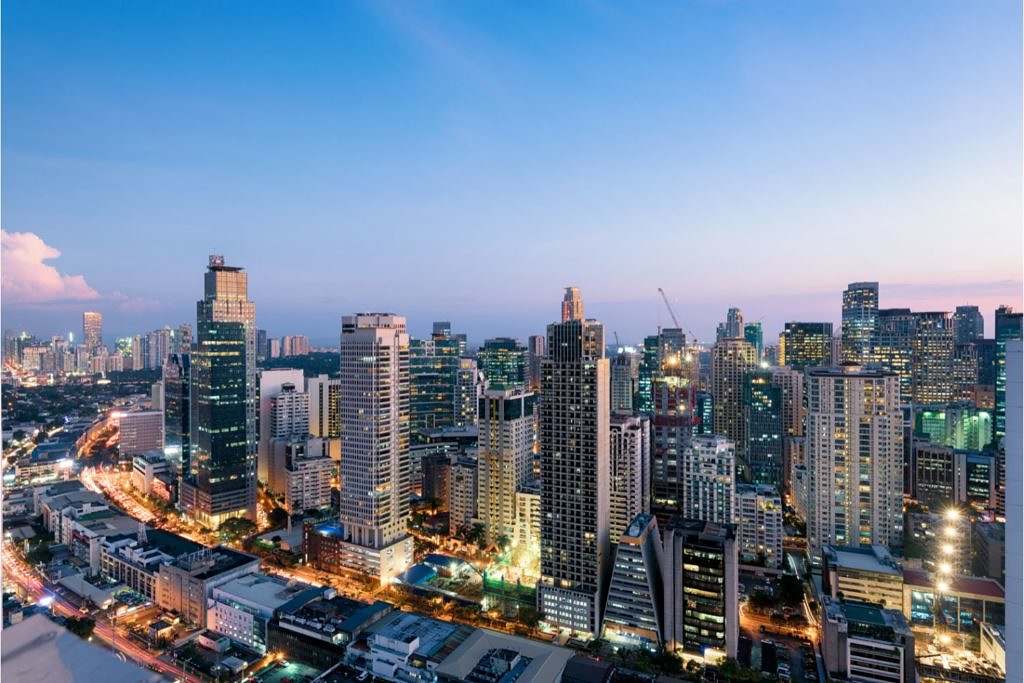
Best for careers, business, luxury living, and international convenience. Areas like BGC and Makati offer modern condos, malls, hospitals, and international restaurants. Downsides include extreme traffic and pollution.
Cebu City
A balance between city life and island living. Popular among digital nomads and retirees. Strong expat community with easier access to beaches and diving.
Dumaguete
Known as a retirement-friendly city with lower costs and a relaxed atmosphere. Popular among older American expats.
Davao City
Cleaner and calmer than Manila. Often considered safer and more organized.
Siargao
Popular among surfers, creatives, and remote workers looking for island life.
The best place depends on whether you prioritize nightlife, affordability, healthcare, beaches, business opportunities, or family life.
Living in the Philippines: Pros and Cons
Advantages of Living in the Philippines
- Friendly and Social Culture
Filipinos are often extremely welcoming to foreigners. Social interaction is easier than in many countries.
- English Is Widely Spoken
This removes a major barrier for Americans adjusting to life abroad.
- Lower Cost of Living
Housing, dining, transportation, and services are significantly cheaper than in the U.S.
- Beautiful Nature
The country offers thousands of islands, beaches, waterfalls, diving spots, and tropical destinations.
- Easier Retirement Lifestyle
Many retirees enjoy a slower pace of life and domestic help that would be expensive in America.
Disadvantages of Living in the Philippines
- Infrastructure Problems
Power outages, flooding, weak sidewalks, poor public transportation, and inconsistent internet are common frustrations.
- Traffic
Metro Manila traffic is infamous and can seriously affect quality of life.
- Bureaucracy
Visa extensions, paperwork, banking, and immigration processes can feel slow and confusing.
- Heat and Humidity
The tropical climate can become exhausting for some foreigners.
- Healthcare Quality Varies
Private hospitals in major cities can be excellent, but healthcare quality differs greatly outside urban areas.
- Poverty and Social Inequality
Some foreigners struggle emotionally with visible poverty and economic differences.
Expat Philippines Horror Stories: What Foreigners Often Regret
Searches for “expat Philippines horror stories” are surprisingly common because many people arrive with unrealistic expectations.
Some common complaints include:
- Falling into online romance scams
- Underestimating culture shock
- Poor financial planning
- Isolation outside expat communities
- Problems with unstable internet while working remotely
- Frustration with slow systems and bureaucracy
- Difficulty adapting to indirect communication styles
At the same time, many horror stories come from foreigners who expected the Philippines to function exactly like America while paying developing-country prices.
Successful expats usually adapt instead of constantly comparing everything to home.
Can a Foreigner Live Permanently in the Philippines?
Yes. Several visa pathways exist for long-term stays.
Common options include:
- Tourist visa extensions
- Retirement visas
- Marriage visas
- Investment-related visas
Many foreigners stay for years using repeated tourist visa extensions, although long-term residency options provide more stability.
Marriage to a Filipina or Filipino citizen can also open pathways to residency.
Can I Move to the Philippines if I Marry a Filipina?
Yes. Marriage can simplify long-term residency.
Many American men relocate after marrying Filipinas, but successful relationships require cultural understanding and realistic expectations.
Family culture in the Philippines is very strong. Foreigners are often expected to become involved not only with their spouse but also with extended family networks.
Understanding Filipino values around respect, family obligations, religion, and finances becomes important for long-term relationship success.
Is $50,000 a Good Salary in the Philippines?
Absolutely.
A $50,000 annual income places someone well above the average local income level. In most parts of the Philippines, this salary can support a very comfortable lifestyle with:
- Modern condo living
- Regular dining out
- Domestic travel
- Private healthcare
- Savings potential
- Household help
In premium areas of Manila, luxury lifestyles can still become expensive, but overall, $50,000 is considered a strong income in the Philippines.
Cultural Adjustments Americans Often Experience
Foreigners moving to the Philippines often notice:
- More relaxed attitudes toward time
- Strong family involvement in daily life
- Different customer service expectations
- Community-oriented culture
- More emotional communication styles
- Less direct confrontation compared to Western cultures
Patience and flexibility usually matter more than strict planning.
Final Thoughts
Living in the Philippines as a foreigner can be rewarding, affordable, and deeply memorable — but it is not for everyone.
The people, beaches, culture, and affordability attract thousands of expats every year. At the same time, infrastructure challenges, bureaucracy, and cultural differences require adaptation.
The foreigners who thrive in the Philippines are usually the ones who arrive with realistic expectations, financial stability, patience, and curiosity about Filipino culture rather than fantasies about permanent vacation life.
For many Americans, the Philippines becomes more than just a cheap place to live. It becomes a completely different way of experiencing life.